Public Transport: Tales from the Tracks
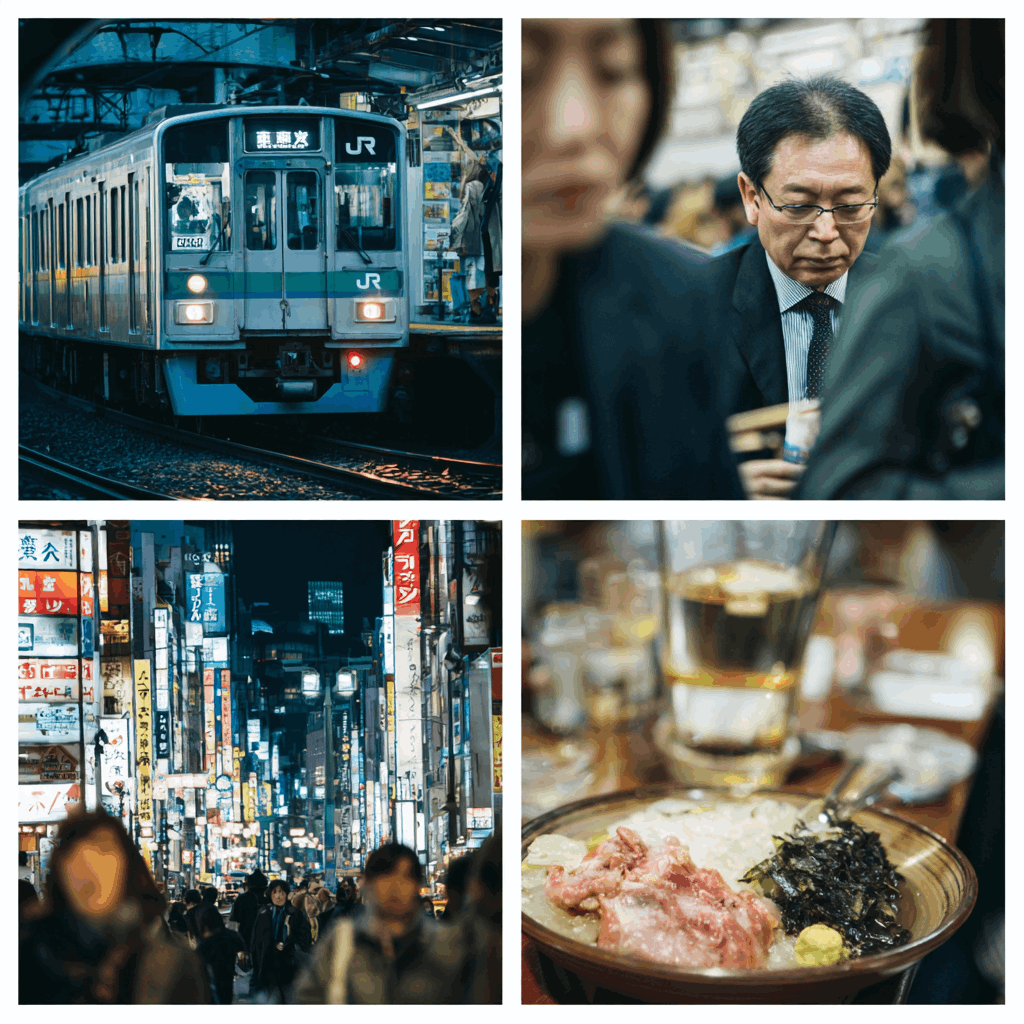
Tokyo’s trains and subways are world-class but can overwhelm first-timers. Recent travelers on platforms like Reddit rave about the Suica or Pasmo IC cards (¥2,000 with ¥500 deposit, rechargeable). Tap in and out for seamless rides across Tokyo Metro, Toei, and JR lines—grab one at station kiosks or convenience stores. A visitor from the US shared, “Got lost at Shinjuku Station’s 200 exits, but Google Maps and my Suica saved me. Check platform signs in English!” Another tip: avoid rush hours (7-9 AM, 5-7 PM) unless you want to be sardined. Women-only cars during peak times are a safe bet for female travelers; look for pink signs.
For route planning, apps like Japan Transit Planner or Tokyo Metro Subway Map are clutch for offline navigation, as noted by a UK backpacker: “Japan Transit Planner showed fares and transfers—saved me ¥500 on a day trip to Ueno.” Buses are trickier; stick to trains unless you’re hitting suburbs like Higashikurume. Taxis are pricey (¥500-1,000 for short rides) but handy late-night—use Uber or GO for English-friendly options. Etiquette tip: keep conversations quiet, silence phones, and avoid eating on trains, as a Canadian traveler learned after glares for munching onigiri: “Total rookie move—eat at the station instead.”
Japanese Etiquette: Respect the Vibe
Tokyoites value harmony, and travelers stress blending in. A German tourist noted, “No one eats while walking—it’s not just rude, it messes with the flow.” Stick to designated areas for street food, like beside stalls at Harmonica Yokocho in Kichijoji. Queuing is sacred; a solo traveler in Shibuya said, “Lines for ramen were intense, but everyone waits patiently. Don’t cut!” On escalators, stand left, walk right—opposite of Osaka, as a confused Aussie learned.
Photography’s another hot topic. A US vlogger warned, “Temples like Senso-ji have no-photo zones—check signs or ask.” Respect privacy; don’t snap locals without permission. Tipping’s a no-go—servers find it awkward, as a French couple discovered after leaving ¥1,000 on a table. Bow slightly when thanking (say “arigatou”) and use both hands for exchanges, like giving your IC card at shops. During Ramadan (check 2025 dates), some restaurants may adjust hours, but Tokyo’s largely unaffected—just be discreet with public eating near fasting visitors.
Hidden Eateries: Where Locals Feast
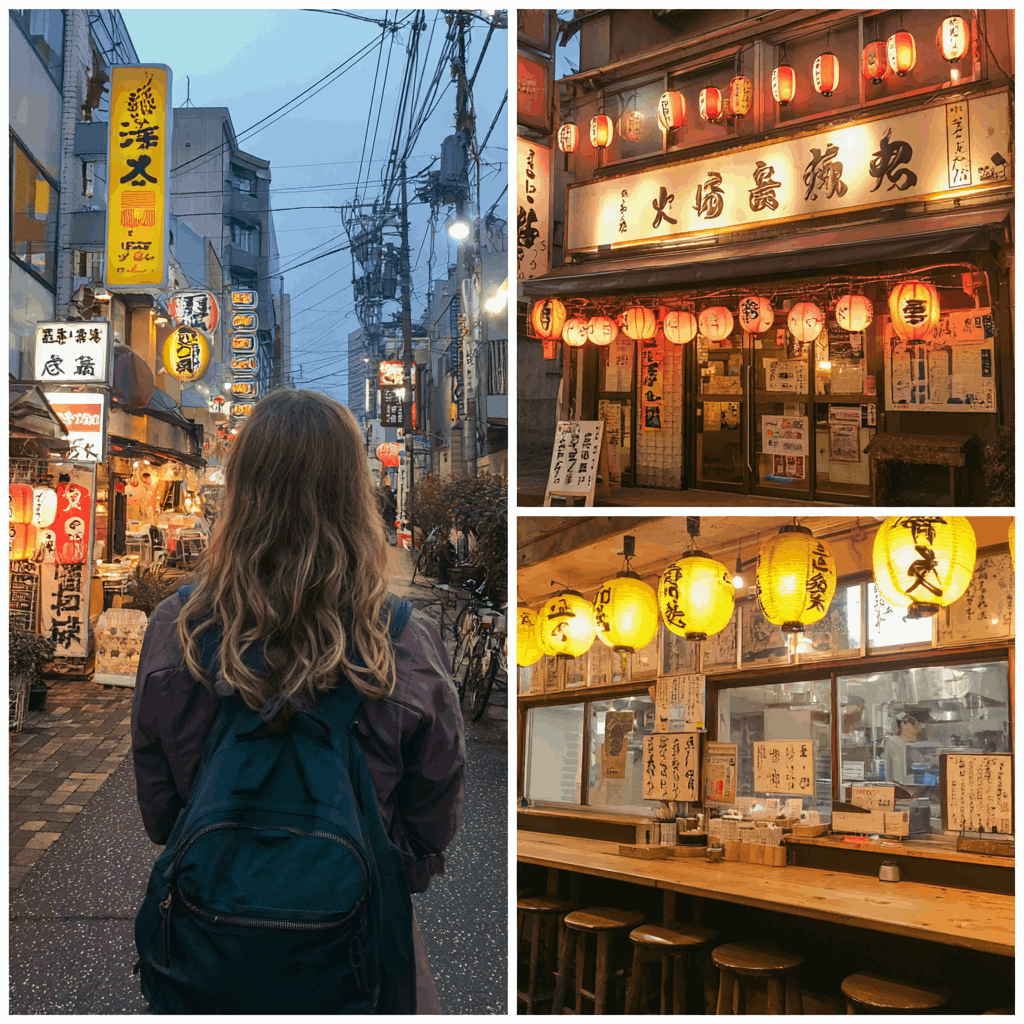
Tokyo’s food scene is a maze of Michelin stars and hole-in-the-wall gems. Travelers on X rave about Harmonica Yokocho in Kichijoji, a warren of tiny izakayas serving yakitori and oden. A British expat shared, “Found a yakitori spot with no English menu—pointed at skewers, best meal ever for ¥1,500.” In Asakusa, Asakusa GYUUNA Yadoki offers premium eel and wagyu at budget prices (~¥2,000/meal), per a foodie’s blog. For sushi, a Canadian couple stumbled on a “modern sushi joint” in Harajuku’s Laforet mall, serving quirky beef-mushroom rolls—expect ¥3,000 for a set.
In Shinjuku, Omoide Yokocho (Memory Lane) is a must, with smoky stalls dishing up kushiyaki and ramen. A solo traveler noted, “Tiny bars, elbow-to-elbow with salarymen—¥1,000 got me noodles and beer.” For dessert, try kakigori (shaved ice) at a Shibuya café like Sebastian; a US student said, “Mango kakigori was like eating a cloud—¥800 well spent.” Many spots lack English menus, so apps like Google Translate’s camera feature are lifesavers. Book upscale places via hotel concierges, as a Dutch traveler advised: “My hostel called for me—got into a tempura spot locals love.”
Fall 2025 Cultural Events: Tokyo’s Festive Pulse
Fall in Tokyo is golden—crisp air, fiery foliage, and festivals galore. Here’s what’s on for September-November 2025, per recent tourism updates:
Tokyo Wasshoi Festival (September 12-14, Gyoko-dori Avenue): Expect vibrant omatsuri vibes with taiko drums and street floats. Free entry; grab street food like takoyaki. A traveler on Instagram called it “pure energy, like a party for the soul.”
Taste of Tokyo 2025 (October 24-26, Marunouchi/Yurakucho/Hibiya/Toyosu): A food fest showcasing local dishes—think sushi to wagyu skewers. Entry’s free; food stalls ~¥500-2,000. A food blogger raved, “Tried matsutake mushrooms—fall’s best flavor.”
Tokyo Grand Tea Ceremony 2025 (October, Hama-rikyu Gardens & Edo-Tokyo Open Air Museum): Immerse in matcha rituals amid autumn leaves. Tickets ~¥2,000; book via GoTokyo.org. A US visitor said, “Sipping tea in a 17th-century garden felt timeless.”
Tokyo Design Manhole Exhibition (October 4-5, citywide): Quirky art event showcasing decorated manhole covers. Free; join the digital rally for prizes. A Japanese X user posted, “Found a Gundam manhole—Tokyo’s wild!”